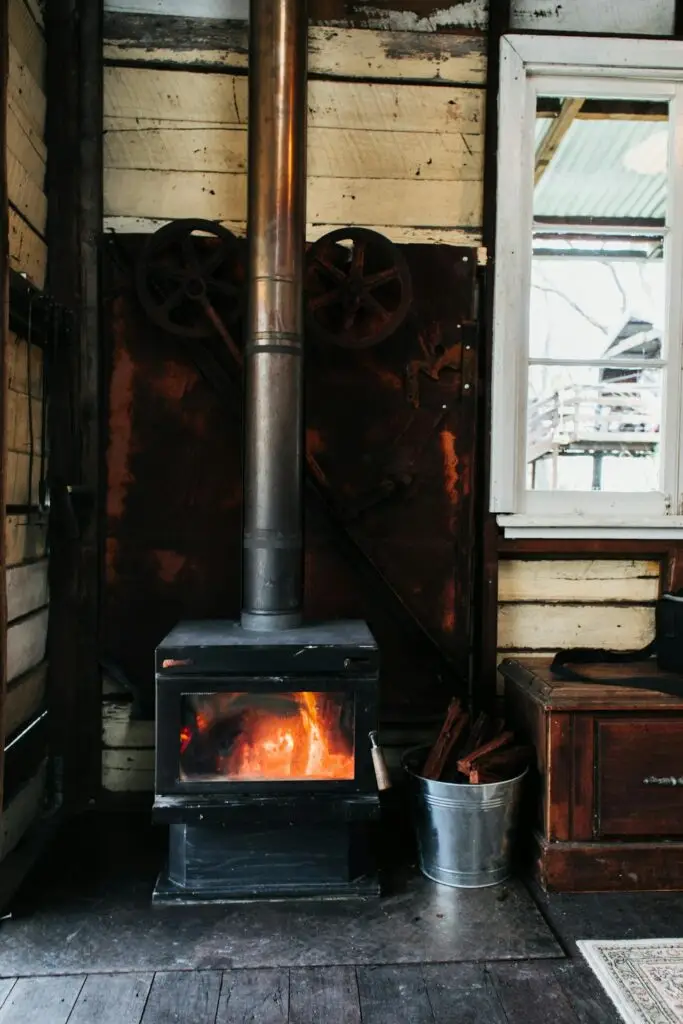
Understanding the causes of chimney fires is essential for preventing potential hazards. Chimney fires are commonly caused by creosote accumulation, blockages from debris, poor maintenance, and improper installation or usage of your fireplace. Tubular George emphasizes the importance of regular professional chimney inspections and cleanings to detect and eliminate these risks early. Protect your home by staying informed and proactive in chimney fire prevention.
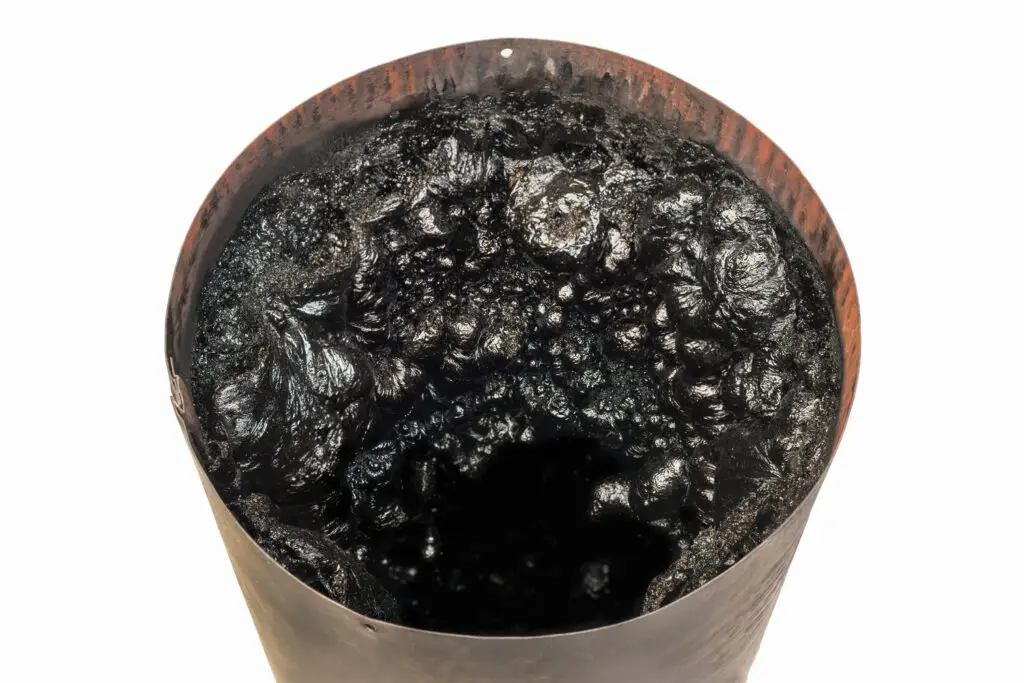
Creosote: A Tar-like residue left on the inside of the chimney as smoke travels up.
Creosote is a highly flammable, tar-like residue that builds up inside chimneys from wood burning, with an ignition point of just 451°F—the same as paper—and can burn as hot as 2000°F, creating dangerous chimney fires that damage mortar joints, spread to the roof or attic, and even endanger neighboring homes. For this reason, fire departments recommend professional chimney cleaning and inspection after every half to full cord of wood burned to remove creosote, check for cracks, deteriorated mortar, proper clearances, and spark protection. Gas fireplaces, while not producing creosote, still generate soot and require regular cleaning. With gas logs, NFPA codes require the damper remain open, which can increase heating bills and cause backdrafts—making custom glass doors the best solution for efficiency and safety. Gas inserts, on the other hand, are sealed systems, offering greater heat efficiency and fewer issues compared to gas logs.
What to Do If You Have a Chimney Fire
Place a soaking wet blanket in the fireplace to block air intake.
Do NOT put a water hose in the flue! This will crack the mortar joints and cause major damage.
Leave the house and CALL 911
CALL US to inspect for damages and perform necessary repairs.